Costs
Virtual Staging vs. Real Furniture: Which Saves More?
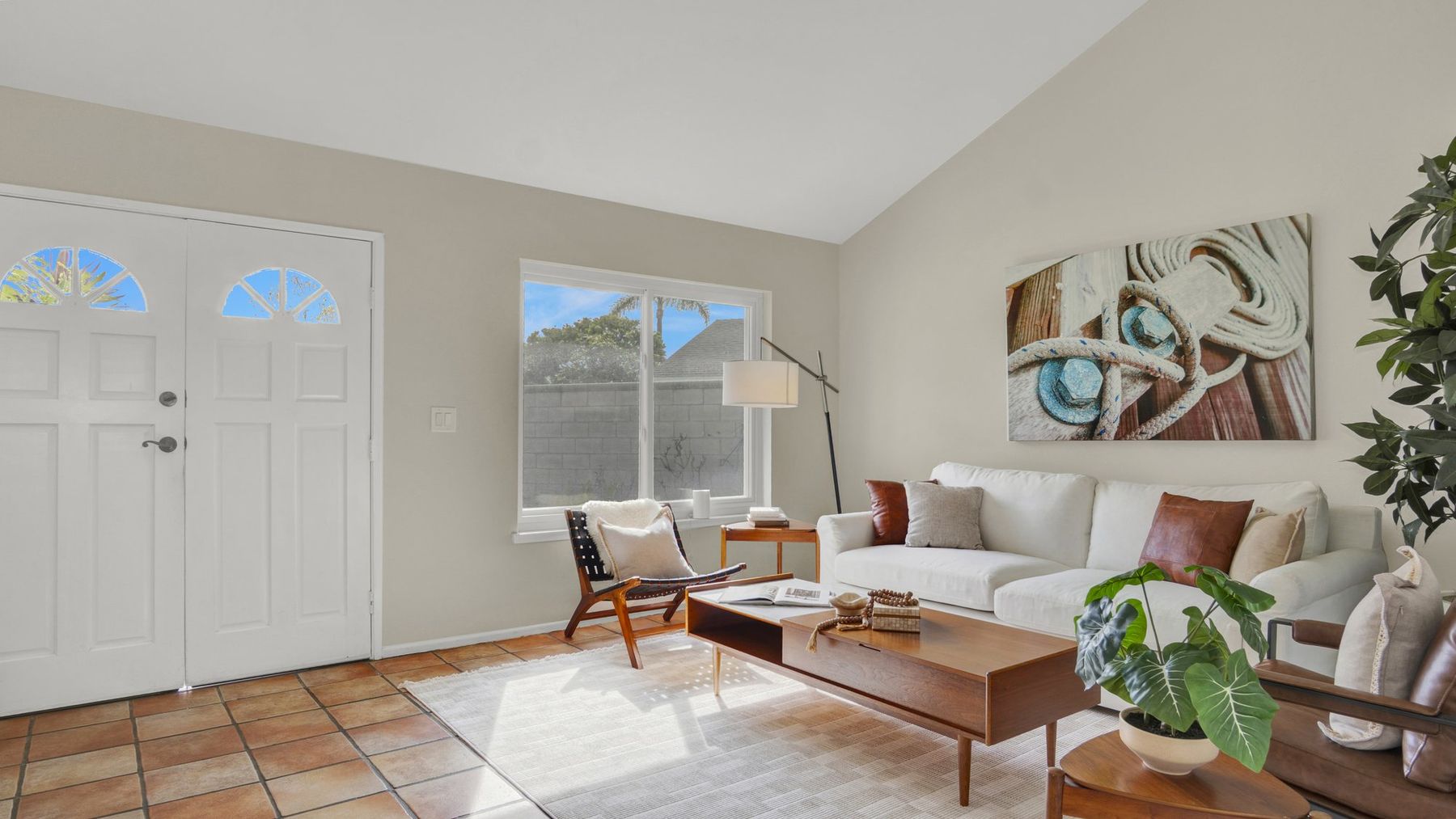
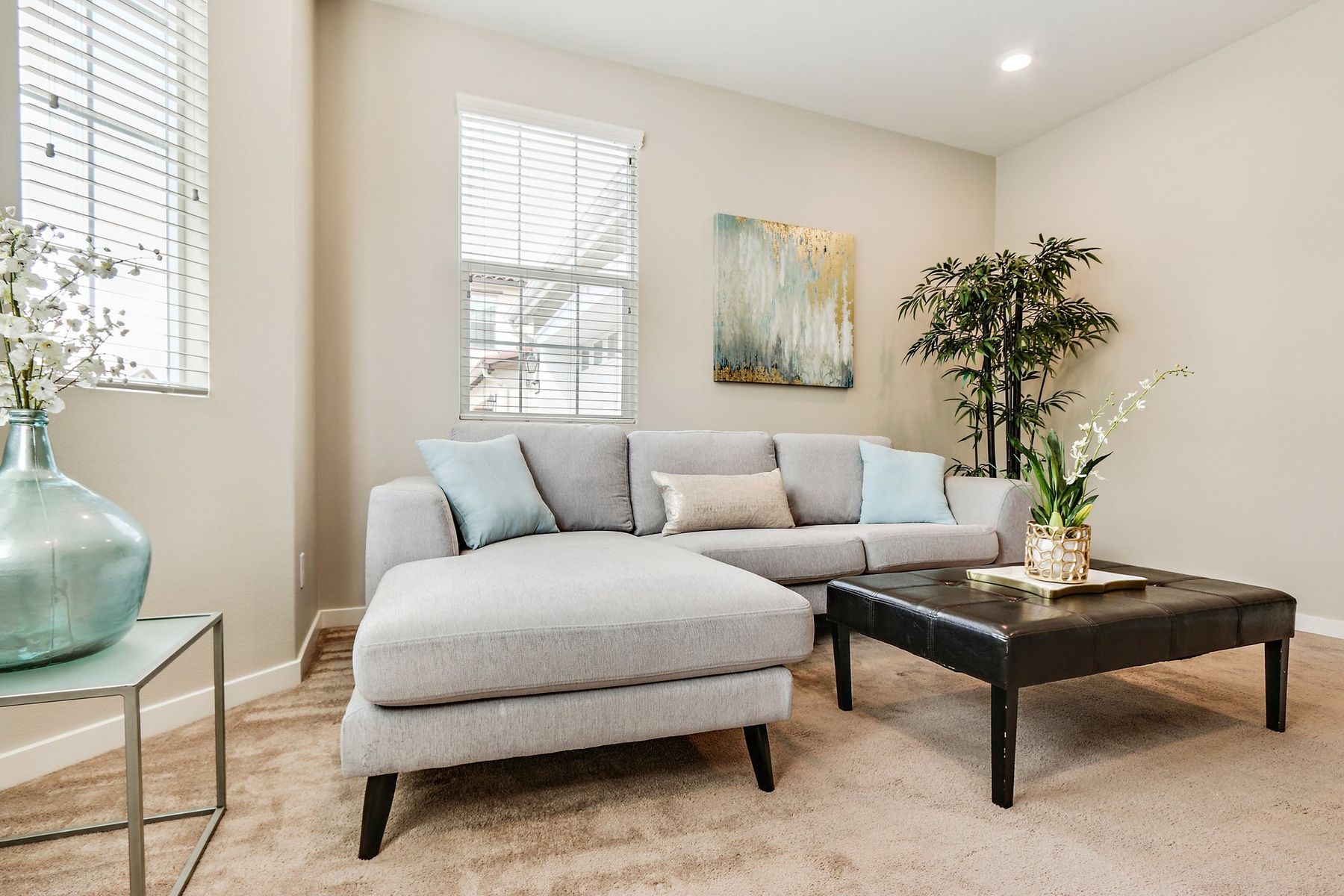
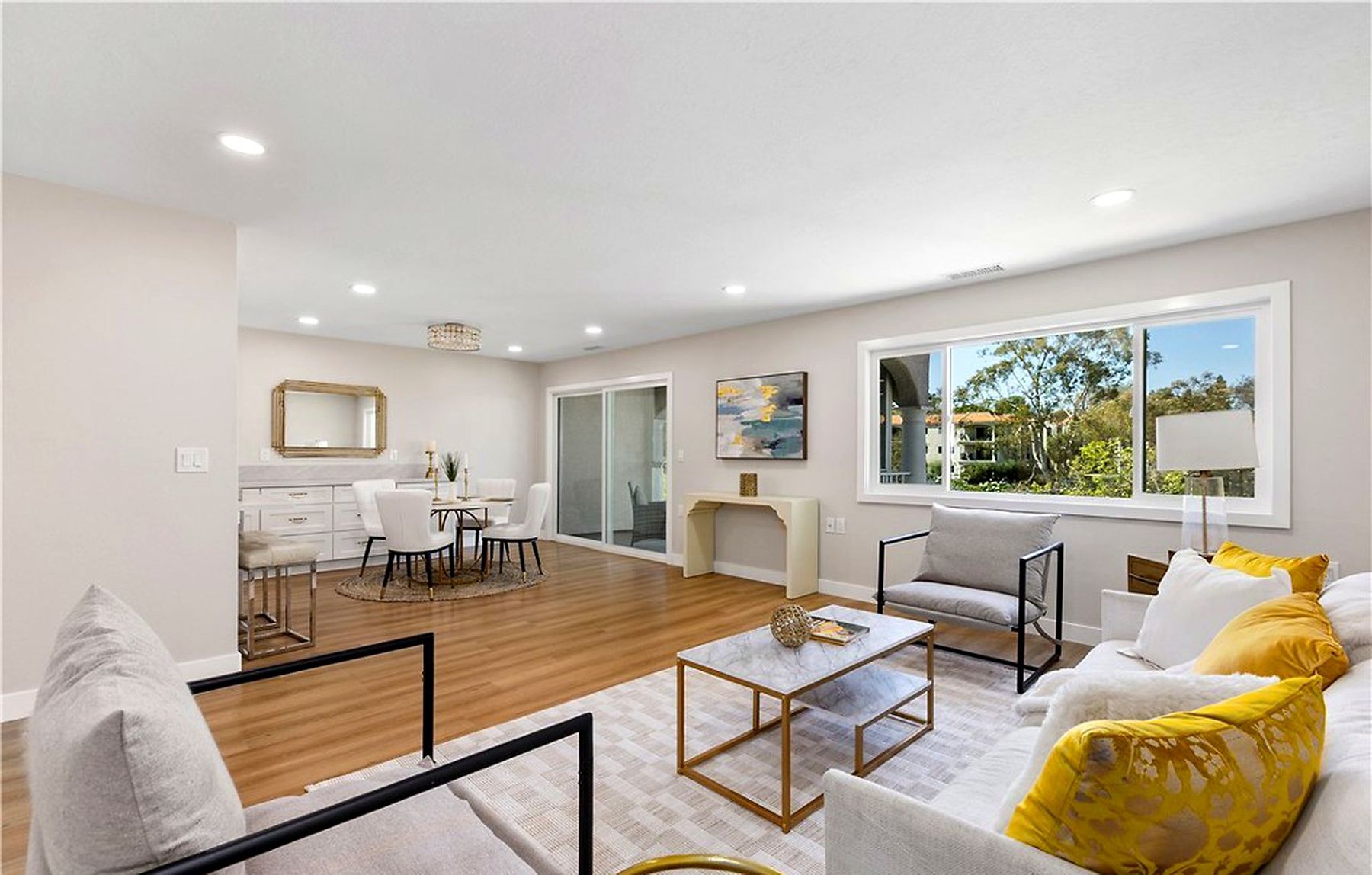
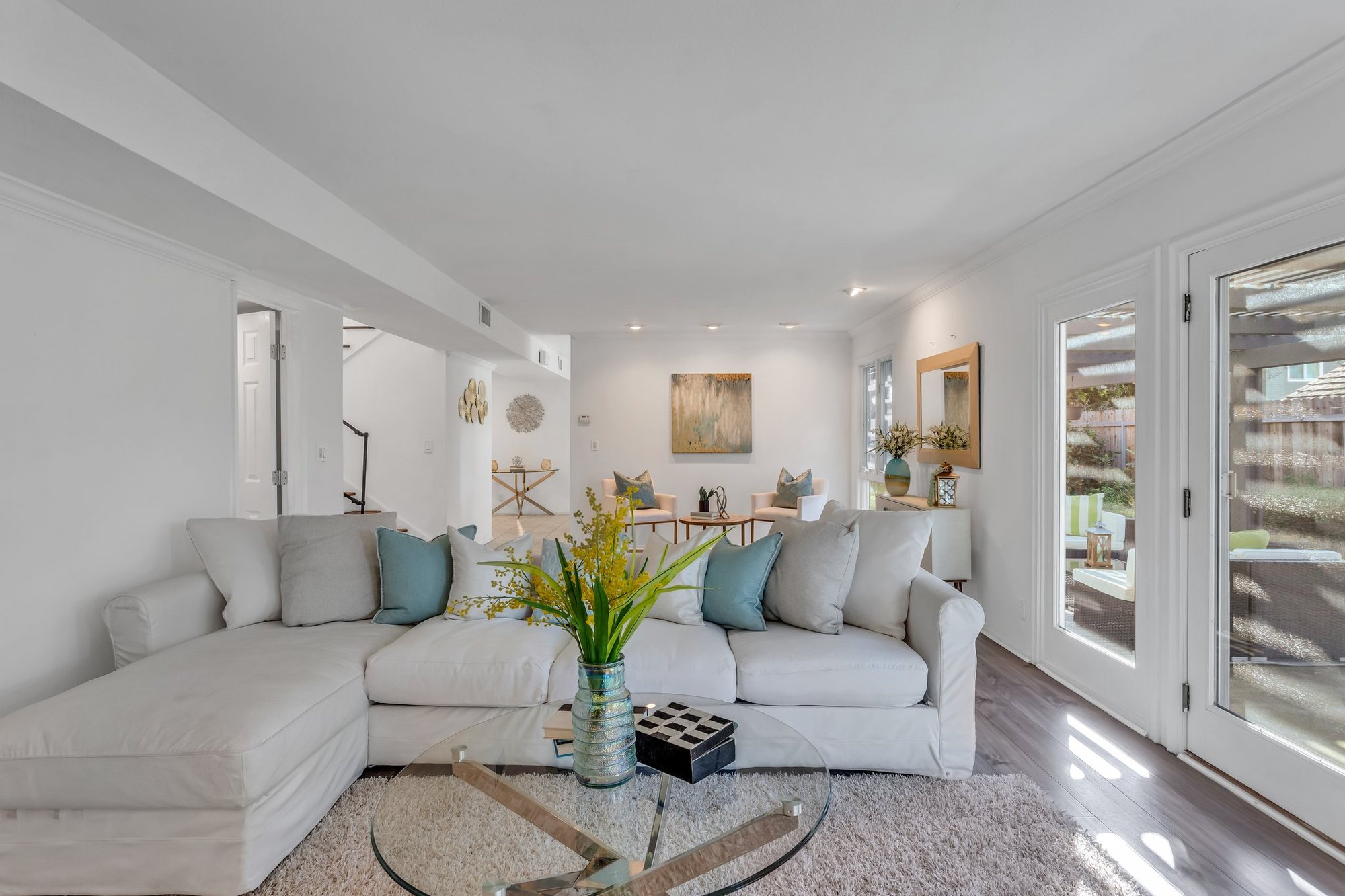
Virtual staging costs less up front and improves online photos. Real staging costs more and improves both the photos and the showing. If buyers will tour the home, real furniture in a few key rooms usually does more for the sale. In California, digitally altered listing photos must now be disclosed.
What each one does
- Virtual staging adds furniture to a photo with software. The room itself stays empty.
- Real staging puts furniture in the room, and the photos show what is there.
The showing gap
A buyer who liked the furnished photos online and then walks into empty rooms has to rebuild the picture in their head. Empty rooms also echo, look smaller than expected and show every scuff.
The disclosure rule
Since January 1, 2026, California law (AB 723) requires real estate licensees to disclose when a listing image has been digitally altered, which includes virtual staging, and to make the unaltered image available. Ask your agent how their MLS handles it.
Where virtual staging makes sense
- Showing an alternative use for a room that is physically staged another way.
- Very low price points or rentals where no one expects furniture.
- Homes that will sell from photos alone, such as some investor sales.
A middle path
Physically stage the living area and primary bedroom, the rooms agents rank as most important, and leave the rest empty. That keeps real furniture where buyers spend their time and keeps the bill low. See The Cheapest Ways to Stage a Home.
Questions
Is virtual staging cheaper than real staging?
Yes, but it only changes the photos. The home is still empty when buyers visit.
Do virtually staged photos have to be disclosed in California?
Yes. Since January 1, 2026, AB 723 requires licensees to disclose digitally altered listing images and provide access to the original.